- Think Like a Risk Manager, Not Just a Property Owner
- Strengthen the Most Common Entry Points
- Use Lighting as a Preventive Tool
- Don't Ignore Landscaping
- Invest in the Right Residents
- Keep Small Maintenance Issues From Becoming Security Problems
- Make Security Part of Your Marketing Strategy
- Review Your Insurance Before You Need It
- Build a Community Around the Property
- Communicate Before Making Security Changes
- Bottom Line
Key Takeaways
-
Rental property security plays an important role in protecting residents, reducing risk, preserving property value, and supporting long-term investment performance.
-
Landlords can improve security by focusing on entry points, lighting, landscaping, maintenance, resident screening, insurance, and clear communication.
-
Working with a professional property management team can help owners manage security concerns, coordinate inspections, and protect their rental investment more effectively.
A rental property's value isn't determined solely by its location, rental rate, or curb appeal. One often overlooked factor can have an enormous impact on long-term performance: security.
When residents feel safe, they're more likely to renew leases, care for the property, and recommend it to others. Conversely, security concerns can lead to complaints, vacancies, property damage, and unexpected expenses.
Learn how we can help you maximize your home’s potential.
At Liberty Real Estate Services, we understand that protecting a rental property requires more than installing a lock on the front door. It involves creating an environment where risks are minimized, problems are identified early, and tenants feel confident calling the property home.
Here are practical strategies that can help safeguard both your property and your bottom line.
Think Like a Risk Manager, Not Just a Property Owner
Many owners focus on visible improvements such as landscaping, paint, and interior upgrades. While these enhancements improve appearance, they don't necessarily reduce risk.
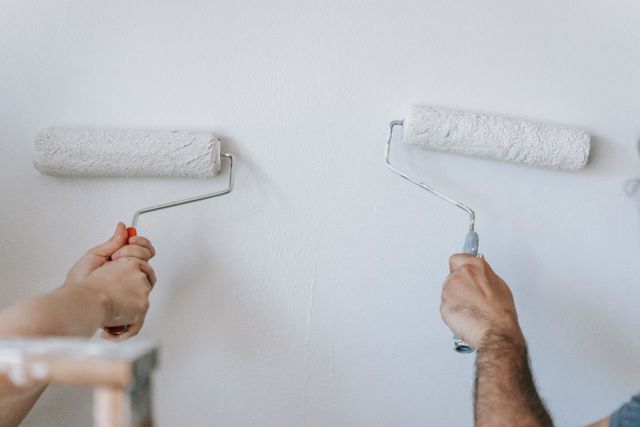
A better approach is to periodically walk the property from the perspective of a stranger. Ask yourself:
- Are there areas hidden from view?
- Could someone access the building easily after dark?
- Are entrances clearly visible from the street?
- Do gates, locks, and access points function properly?
Viewing the property through a security lens can reveal vulnerabilities that might otherwise go unnoticed.
Strengthen the Most Common Entry Points
As part of a broader burglary prevention strategy, many security issues involving doors, windows, and other easily accessible openings can be reduced with stronger locks, reinforced strike plates, and high-quality hardware.
Investing in durable locks, reinforced strike plates, and high-quality hardware can significantly improve protection. Keyless entry systems have also become increasingly popular because they eliminate concerns about lost keys and simplify access management between tenants.
Whenever a resident moves out, ensure all access credentials are updated. Whether that means rekeying locks or resetting electronic codes, this step should be part of getting your property ready to rent.
Use Lighting as a Preventive Tool
Good lighting does more than improve visibility. It can discourage unwanted activity.
Dark walkways, poorly lit parking areas, and shadowed building corners can create opportunities for trespassing and vandalism. Strategic outdoor lighting helps residents feel more secure while increasing visibility around the property.
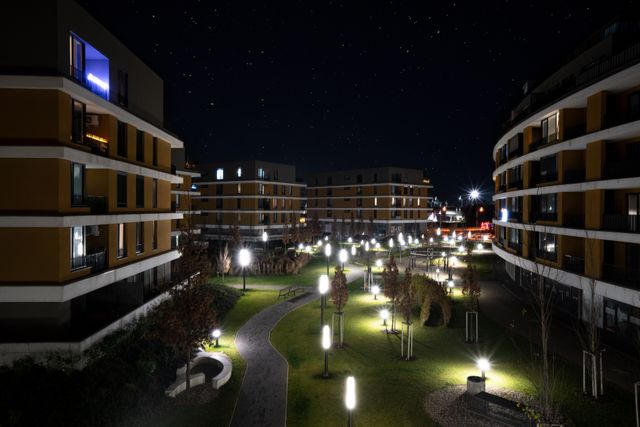
Motion-activated fixtures can be particularly effective because they draw attention to movement without significantly increasing energy costs.
A well-lit property often feels safer before a tenant even steps inside.
Don't Ignore Landscaping
Security and landscaping are more connected than many landlords realize.
Overgrown bushes, dense shrubs, and neglected trees can create hiding places and obstruct sightlines. Routine trimming improves visibility and helps residents feel more comfortable moving around the property, especially during evening hours.
At the same time, healthy landscaping enhances curb appeal, making this one improvement that benefits both security and property value.
Learn how we can help you maximize your home’s potential.
Invest in the Right Residents
One of the most effective security measures happens long before move-in day.
Understanding what landlords need to know about tenant screening can help property owners review rental history, employment information, references, and other qualifying criteria more consistently.
While no screening process can predict future behavior perfectly, reviewing rental history, employment information, references, and other qualifying criteria helps reduce risk.
Reliable residents often contribute to a safer rental environment by reporting maintenance concerns, following community policies, and looking out for their surroundings.
Keep Small Maintenance Issues From Becoming Security Problems
Many security concerns begin as maintenance concerns.
A broken gate latch, malfunctioning exterior light, damaged fence section, or loose window lock may seem minor at first. Left unresolved, however, these issues can create vulnerabilities that expose both tenants and property owners to unnecessary risk.
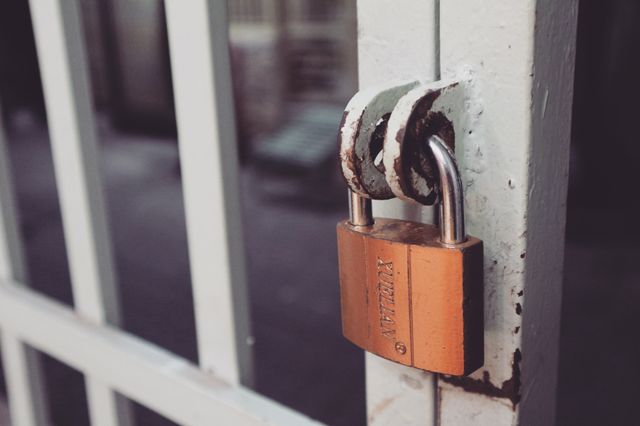
Regular inspections can help identify problems before they escalate. Establishing a preventative maintenance schedule also demonstrates a commitment to property care, which tenants tend to appreciate.
Encouraging tenants to report repairs promptly can also help owners catch small issues before they become larger safety, security, or maintenance problems.
Make Security Part of Your Marketing Strategy
Modern renters pay close attention to safety when choosing a home.
While it's important not to disclose sensitive details about security systems, highlighting general safety features can help a property stand out from competing listings.
Examples include:
- Controlled access entrances.
- Exterior lighting improvements.
- Security camera coverage in common areas.
- Updated locks and entry systems.
- Well-maintained grounds.
Many prospective tenants view these features as valuable amenities rather than simple property upgrades.
Review Your Insurance Before You Need It
Insurance is often treated as a yearly administrative task, but it plays a critical role in protecting an investment property.
Coverage needs can change as properties age, renovations are completed, or local risks evolve. Reviewing your homeowners insurance policy periodically helps ensure that protection remains aligned with the property's current value and exposure.
Owners should understand what their policy covers, where limitations exist, and whether additional endorsements may be appropriate.
The best time to evaluate insurance is before a claim occurs, not afterward.
Build a Community Around the Property
A strong sense of community can become an unexpected security advantage.

Residents who know their neighbors are more likely to notice unusual activity, report concerns, and help maintain a positive living environment. Simple efforts such as professional communication, prompt maintenance responses, and respectful management practices can encourage greater resident engagement.
People tend to take better care of places where they feel connected and valued.
Communicate Before Making Security Changes
Upgrading locks, installing access controls, or adding surveillance equipment can improve safety, but communication matters.
Unexpected changes can create confusion among residents, especially if they affect daily routines or building access. Informing tenants in advance helps set expectations and demonstrates professionalism.
Providing clear explanations about why upgrades are being made often increases cooperation and reinforces confidence in property management.
Bottom Line
Protecting a rental property isn't a one-time project. It requires consistent attention, regular inspections, proactive maintenance, and thoughtful planning.
The most successful landlords understand that security contributes directly to tenant satisfaction, property preservation, and long-term financial performance. A safe property is often easier to lease, easier to retain tenants in, and less likely to experience costly disruptions.
For owners who want expert oversight without the day-to-day burden, partnering with a professional property management team can make all the difference. From tenant screening and routine inspections to maintenance coordination and risk management, experienced property managers can help protect your investment.
