Key Takeaways:
- Normal wear and tear refers to expected aging from everyday use (e.g., minor scuffs, fading, light scratches), not neglect or misuse.
- Tenant-caused damage includes significant issues like broken fixtures, large wall holes, stains, or appliance misuse.
- Proper documentation (move-in photos, inspections) helps prevent disputes and ensures fair security deposit handling.
- Understanding these differences protects your investment while maintaining positive landlord-tenant relationships.
Ever wondered what truly qualifies as “normal wear and tear” on your rental property?
It’s one of the trickiest questions landlords face, especially when it comes to security deposits and tenant turnover. Misunderstandings here can lead to disputes, lost income, and unnecessary stress.
That’s why knowing the difference between fair wear and damage matters, so you protect your investment without overstepping. For rental property owners in Hinesville, Liberty Real Estate Services is here to help you stay informed, confident, and fair.
Let’s break down what normal wear and tear really means, so you can navigate your rental business like a pro.
Learn how we can help you maximize your home’s potential.
What Counts as Normal Wear and Tear? A Landlord’s Checklist
Understanding the difference between normal wear and tear and actual tenant damage is essential for protecting your investment and avoiding disputes. Here’s a checklist to help you assess fairly:
1. Flooring:
Flooring takes a lot of abuse over time, and knowing what’s normal helps you avoid unfair deductions from a tenant’s security deposit. Minor scuffs, light scratches, or fading from regular use are expected.
However, deep gouges, burns, or water stains go beyond normal wear and may be the tenant’s responsibility. For landlords in Hinesville, understanding this balance keeps things fair and helps maintain good tenant relations.

When assessing flooring, look for signs of aging rather than damage. Light wear patterns in high-traffic areas are normal; you can’t expect floors to look brand new after years of use.
If the flooring is still functional and hasn’t been neglected, it’s likely within normal wear and tear.
Liberty Real Estate Services can help you evaluate fairly and set clear expectations upfront.
2. Walls:
Walls show signs of use, but distinguishing between normal wear and tenant-caused damage is key.
Small nail holes from hanging pictures or minor scuffs are part of everyday living. However, large holes, excessive markings, or damage from roughhousing may require the tenant to cover repair costs.
To check walls, look for cosmetic issues like light smudges or paint fading, these are normal. If there are holes bigger than a nail or stains that won’t wipe off, that’s likely tenant damage.
3. Paint:
Paint naturally fades or yellows over time, especially in sunny areas or rooms with heavy use. This is normal wear and tear, and with the right paint you can mitigate fading.
However, stains from smoke, pets, or neglect, or intentional markings like drawings or holes, are the tenant’s responsibility.
Renting to tenants with pets may seem like a risk, there are quite a few benefits too.

When evaluating paint, focus on whether it’s aged or damaged. Fading or slight discoloration is expected; peeling, chipping, or deep stains are not. If the tenant didn’t cause the issue, it’s on you to maintain.
Get in touch if you have any questions.
4. Appliances:
Appliances show wear over time, like worn knobs or minor scratches on exteriors. These are normal and don’t require the tenant to pay for fixes.
But broken parts, neglect, or misuse, like leaving food in a fridge causing odors or damage, fall on the tenant. Regular maintenance checks help catch issues early and keep appliances in good shape.
To assess appliances, check for cosmetic wear first; if everything still works well, it’s likely normal. If a door doesn’t seal, a burner is broken, or there’s rust from misuse, that’s damage.
5. Carpets:
Carpets endure a lot of foot traffic, and over time, they naturally show signs of wear. Light thinning, minor stains from tracked-in dirt, or fading are all part of normal wear and tear.
However, large stains from spills, burns, or tears go beyond normal use and may be the tenant’s responsibility. Understanding this distinction helps you maintain fairness and avoid unnecessary disputes.
When evaluating carpets, look for general wear rather than specific damage. If the carpet is clean, functional, and hasn’t been neglected, it’s likely within normal wear.
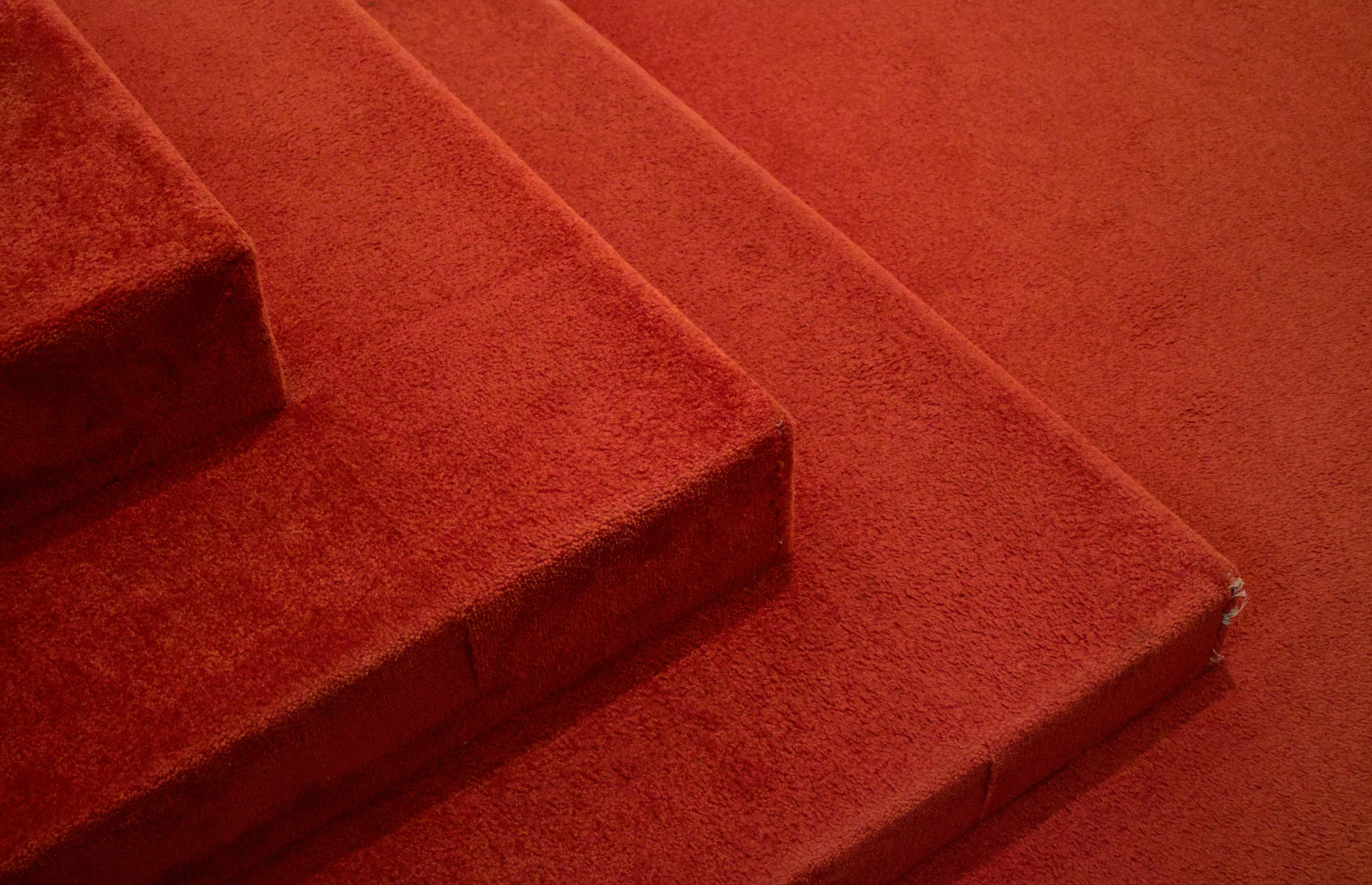
For landlords in Hinesville, Liberty Real Estate Services can help you document carpet conditions upfront and set clear expectations to protect your investment.
6. Doors and Trim:
Doors and trim are constantly used, so minor scuffs or dings are expected. These signs of normal wear don’t require the tenant to cover repair costs. Thankfully, trim is simple to touch up.
However, broken hinges, deep gouges, or damage from forced entry are the tenant’s responsibility. Knowing the difference ensures you handle deductions fairly and maintain good relationships with tenants.
To assess doors and trim, check for cosmetic wear first. Light scratches or worn edges are normal; if a door doesn’t close properly or there’s significant damage, that’s not.
7. Windows and Screens:
Windows and screens can accumulate dirt or show minor wear over time, which is normal.
However, cracked glass, broken mechanisms, or damaged screens from misuse or neglect are the tenant’s responsibility.
Keeping these in good condition helps maintain energy efficiency and property value, so it’s important to distinguish between fair wear and damage.
When checking windows, look for dirt buildup or worn weatherstripping; these are expected. If a window won’t open or there’s broken glass, that’s damage.
8. Fixtures:
Fixtures like faucets, handles, and light fixtures naturally develop minor scratches or tarnish with regular use.
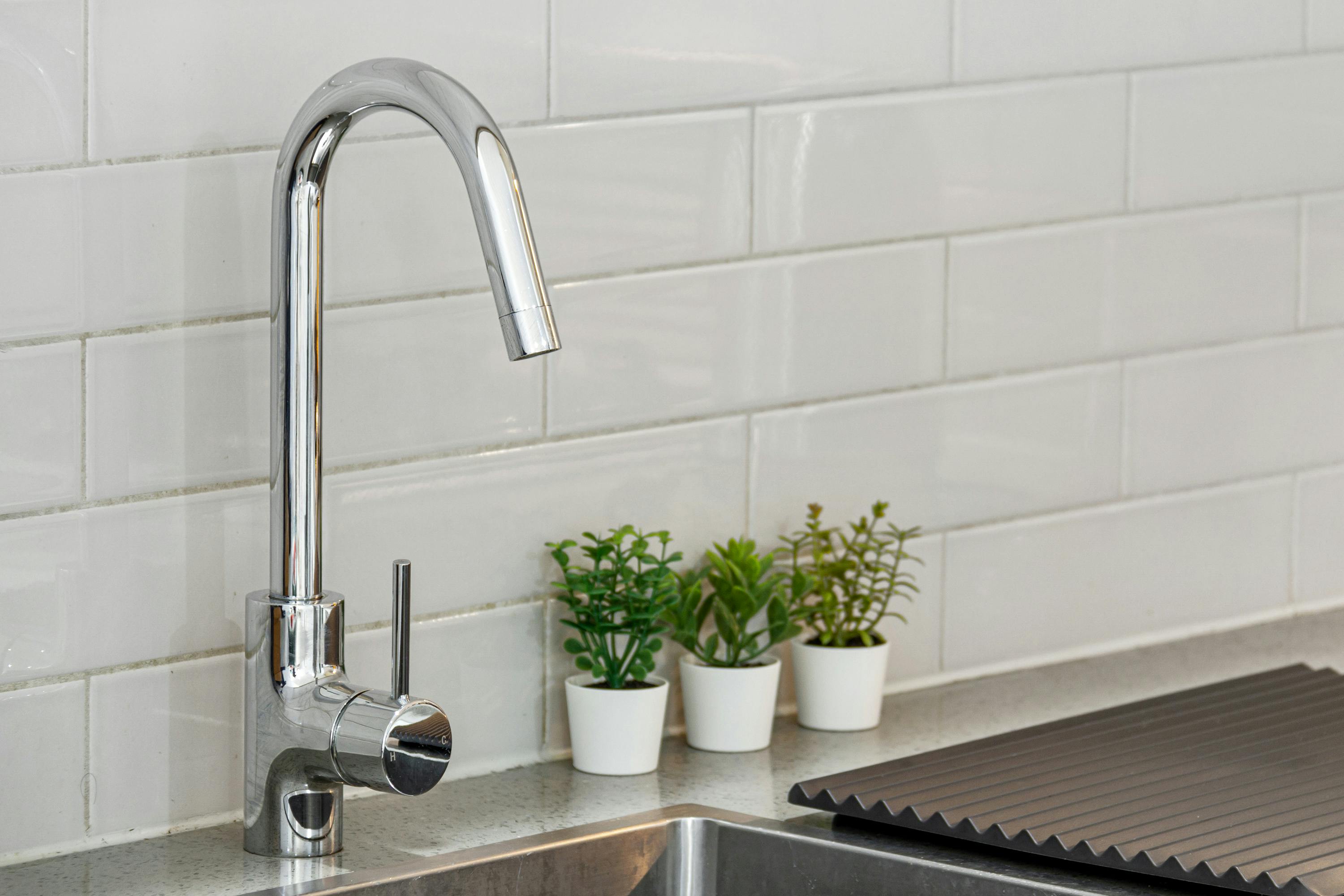
To evaluate fixtures, check for light wear first; if they still function well, it’s likely normal. If something is broken or missing, that’s damage.
What’s NOT Considered Normal Wear and Tear:
- Broken windows, doors, or appliances due to misuse or neglect.
- Holes in walls from furniture, pets, or misuse.
- Stains from spills, smoking , or pet accidents.
- Excessive dirt or grime that requires professional cleaning.
- Missing items such as blinds, curtain rods, or fixtures.
It’s very important to make sure your tenants report damage promptly so that it can be addressed.
Bottom Line
Navigating wear and tear doesn’t have to be overwhelming. At Liberty Real Estate Services , we help landlords in Hinesville understand the rules, document fairly, and protect their investments with confidence.
Let us handle the details so you can focus on what matters most, growing your rental business. Reach out today to explore how our tailored solutions can make property management simpler and more profitable. Your peace of mind is just a conversation away.
